What Does Chiropractic Care Treat?
Chiropractic is a regulated healthcare profession focused on the diagnosis and treatment of conditions affecting the musculoskeletal and nervous systems, particularly the spine, joints, and soft tissues. It is commonly sought for neck and back pain, headaches, joint stiffness, sports injuries, and motor vehicle accident recovery.
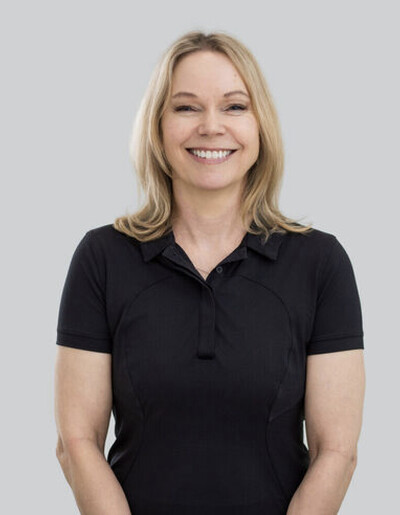
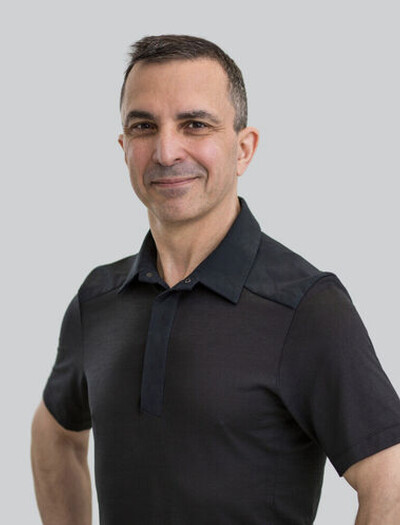
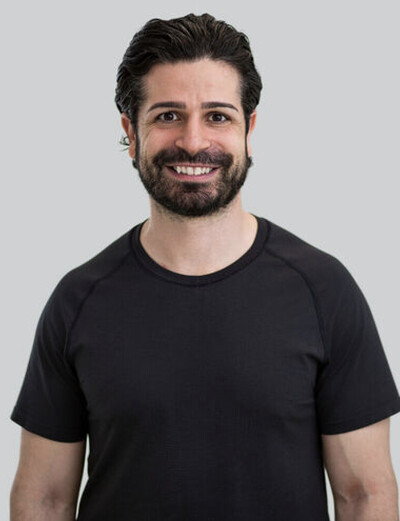
Chiropractors complete a minimum of seven years of post-secondary education, including undergraduate training and a four-year Doctor of Chiropractic program. At Cloverdale Chiropractic, all three DCs bring advanced post-graduate training on top of that foundation, working from a functional, whole-body rehabilitation model rather than a purely symptom-based approach.
Treatment draws on a range of manual therapy, soft tissue, and rehabilitation techniques, selected based on each patient's history, movement patterns, and goals.
How We Approach Chiropractic at Cloverdale Chiropractic
The chiropractic team at Cloverdale Chiropractic works from a shared philosophy: find the root cause of dysfunction, not just the location of pain. This approach is grounded in two advanced clinical frameworks that set the practice apart from standard chiropractic care.
Stecco Fascial Manipulation (FM): A precise manual therapy method targeting the fascial system, the connective tissue network that surrounds and links muscles, joints, and internal structures throughout the body. Rather than treating only where symptoms are felt, FM assessment maps the patterns of fascial restriction that may be contributing to pain and limited movement. Dr. Lana Gasparin and Dr. Morris Gasparin have both completed Stecco FM Level 3 and are pursuing Level 4 in January 2027. Dr. Lana also teaches FM courses in the Vancouver area.
Dynamic Neuromuscular Stabilization (DNS): A rehabilitation approach based on Developmental Kinesiology, used to restore optimal movement patterns and core stability. Dr. Morris Gasparin is an internationally certified DNS instructor for the Prague School of Rehabilitation and brings this method to every patient who requires it.
Additional techniques used by the team include Active Release Technique (ART), instrument-assisted soft tissue therapy, joint mobilization, and individualized rehabilitative exercise.
Meet Our Chiropractic Team
What to Expect at Your Chiropractic Appointment
Assessment
Treatment
Home Program and Follow-Up
Outcomes from Chiropractic Care at Cloverdale Chiropractic
Reduced pain and improved movement
Patients typically report meaningful improvement in pain levels and range of motion within the first several sessions, particularly for acute presentations. For chronic or complex cases, the FM and DNS frameworks often reach patterns that standard chiropractic has not addressed.
Return to activity
Treatment is structured around your functional goals, whether returning to sport, managing a physical job, or moving through daily life without restriction. Dr. Gabriele's background in kinesiology and sports performance makes him particularly well-suited for athletic and active populations.
Lasting results from root-cause treatment
Fascial Manipulation and DNS rehabilitation address the underlying movement and fascial patterns contributing to recurring injury. Patients who engage with their home program tend to maintain their results well after discharge.
Fascial Manipulation for Musculoskeletal and Internal Dysfunction
Stecco Fascial Manipulation is a specialized manual therapy approach that focuses on the fascial system, the continuous network of connective tissue that surrounds and connects muscles, joints, and other structures throughout the body.
FM for Musculoskeletal Conditions
One of the key principles of Fascial Manipulation is that where you feel pain may not be where the problem originates. A previous injury, surgery, repetitive activity, or change in movement may influence the fascial system and contribute to symptoms elsewhere. FM assessment identifies the specific fascial points most relevant to your presentation, and treatment is applied precisely to those areas.
FM may be incorporated into the assessment and treatment of: neck and back pain or stiffness, shoulder, elbow, wrist, and hand concerns, hip and pelvic concerns, knee, ankle, and foot concerns, sports and repetitive strain injuries, persistent or recurring musculoskeletal pain, and movement limitations following previous injury or surgery.
FM for Internal Dysfunction (FMID)
Fascial Manipulation for Internal Dysfunction is an extension of the Stecco method that considers the fascial relationships associated with the body's internal systems. The body does not function as a collection of separate parts: muscles, joints, internal structures, blood vessels, and nerves are all interconnected through fascia. Changes within this network may influence how different areas of the body move and interact.
FMID may be considered as part of an individualized assessment when functional concerns involve areas such as digestive function, respiratory function, urinary and bladder function, pelvic function, or circulatory concerns. It is particularly valuable when a patient's history is complex, or when musculoskeletal and internal symptoms overlap.
Internal symptoms can have many causes and may require medical investigation. Fascial Manipulation for Internal Dysfunction is not intended to diagnose or treat disease or replace appropriate medical care.
Frequently Asked Questions about Chiropractic Care
Accepting New Chiropractic Patients in Cloverdale and Surrey
Dr. Lana Gasparin, Dr. Morris Gasparin, and Dr. Joseph Gabriele are all accepting new patients at Cloverdale Chiropractic Health Group, located at 5477 152nd Street, Suite 114 in Cloverdale, Surrey. ICBC and WorkSafeBC patients are welcome.
Cloverdale Chiropractic Health Group
5477 152 St, suite 114Surrey, BC
V3S 5A5 View Staff & Treatments
